North Vate
Nguna-Emau
Estratovolcán · Vanuatu · 589 m
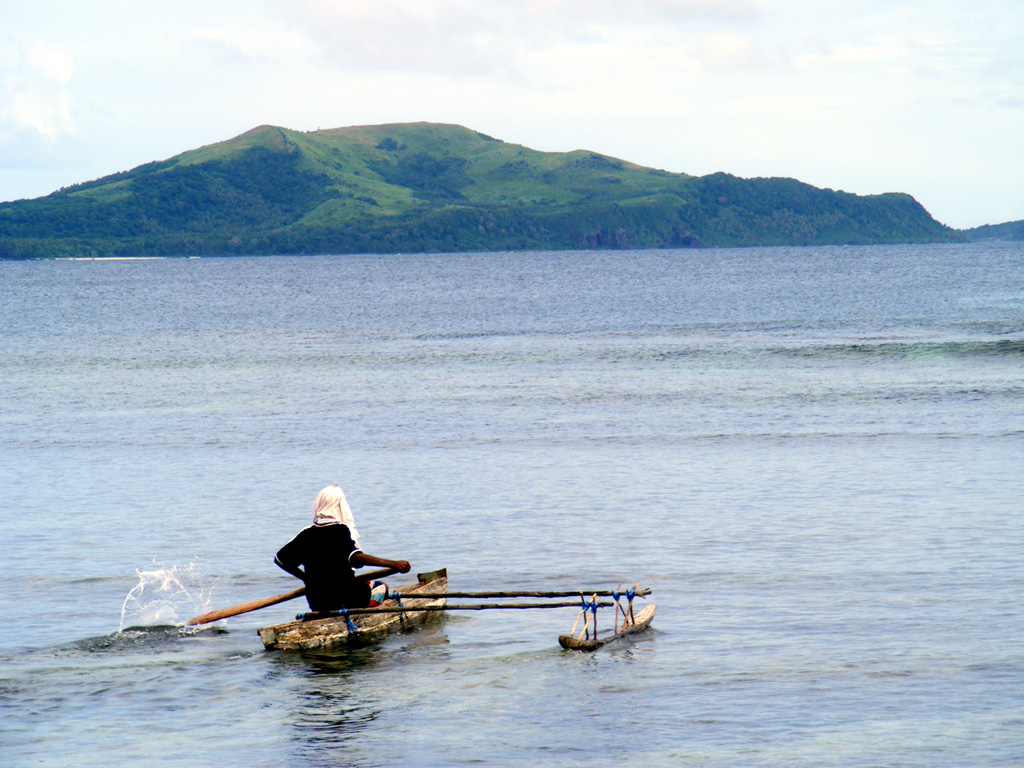
- Tipo
- Estratovolcán
- País
- Vanuatu
- Región
- Pacífico Suroccidental / Vanuatu Volcanic Arc
- Altitud
- 589 m
- Coordenadas
- -17.452, 168.353
- Última erupción
- Desconocido
- Contexto tectónico
- Subduction zone / Intermediate crust (15-25 km)
- Forma volcánica
- Composite
- Roca principal
- Basalt / Picro-Basalt
Resumen geológico
The islands of Nguna, Pele, and Emau (or Emao), north of Efaté Island (also known as Vate), have been variously mapped as Pleistocene and Pleistocene to Holocene. Eruptions in the late Pleistocene to Holocene constructed composite basaltic cones with well-preserved craters. Largely submarine calderas of varying sizes have been inferred towards the north, ranging from a large caldera whose southern rim is defined by Nguna, Pele, and Emao to a smaller caldera, but their submarine morphology is difficult to define. Pumiceous deposits of the Efaté Pumice Formation cover much of Efaté island and record a major trachydacitic explosive eruption about 1 million years ago that originated from a submarine vent somewhere north of the island.
Historial de erupciones
Línea de tiempo detallada
No hay registros de erupciones disponibles.
Enlaces externos
- Todavía no está en Wikipedia (Español). Puede contribuir en Wikidata.
- 🔗 Página original del Smithsonian GVP
⚠ Solo como referencia. No apto para respuesta ante emergencias.