North Vate
Nguna-Emau
Stratovulcano · Vanuatu · 589 m
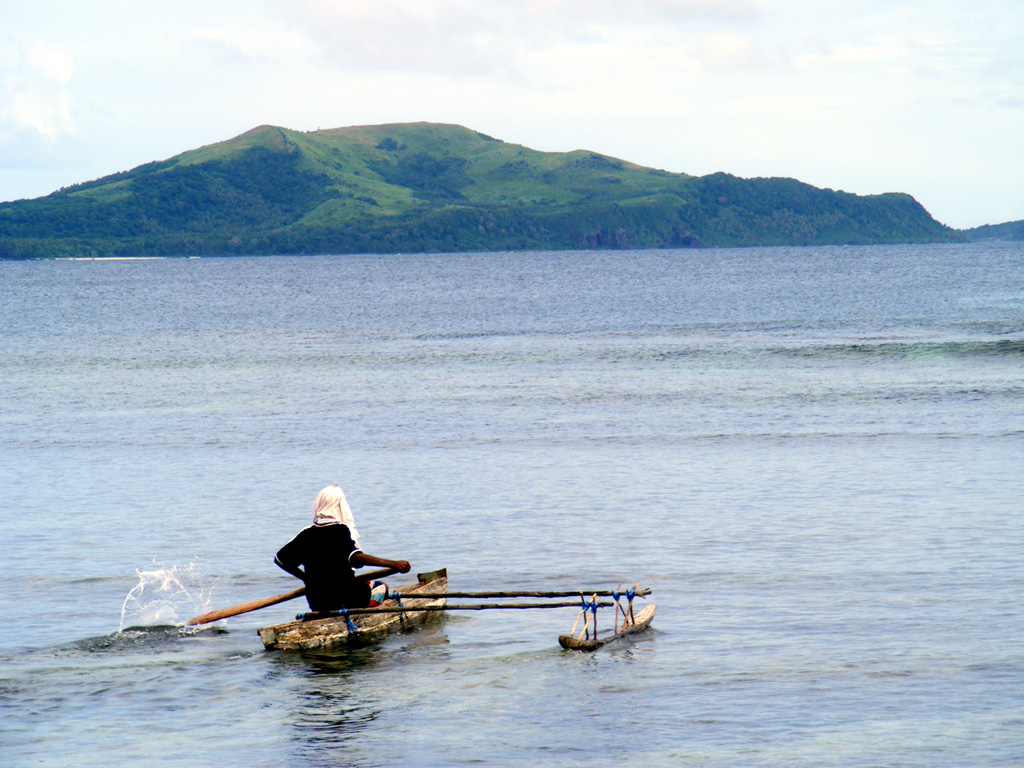
- Tipo
- Stratovulcano
- Paese
- Vanuatu
- Regione
- Pacifico sud-occidentale / Vanuatu Volcanic Arc
- Altitudine
- 589 m
- Coordinate
- -17.452, 168.353
- Ultima eruzione
- Sconosciuto
- Contesto tettonico
- Subduction zone / Intermediate crust (15-25 km)
- Forma vulcanica
- Composite
- Roccia principale
- Basalt / Picro-Basalt
Sintesi geologica
The islands of Nguna, Pele, and Emau (or Emao), north of Efaté Island (also known as Vate), have been variously mapped as Pleistocene and Pleistocene to Holocene. Eruptions in the late Pleistocene to Holocene constructed composite basaltic cones with well-preserved craters. Largely submarine calderas of varying sizes have been inferred towards the north, ranging from a large caldera whose southern rim is defined by Nguna, Pele, and Emao to a smaller caldera, but their submarine morphology is difficult to define. Pumiceous deposits of the Efaté Pumice Formation cover much of Efaté island and record a major trachydacitic explosive eruption about 1 million years ago that originated from a submarine vent somewhere north of the island.
Storia delle eruzioni
Cronologia dettagliata
Nessuna registrazione di eruzioni disponibile.
Link esterni
- Non ancora su Wikipedia (Italiano). Puoi contribuire su Wikidata.
- 🔗 Pagina originale Smithsonian GVP
⚠ Solo a scopo informativo. Non adatto a situazioni di emergenza.